SCIENCE
We follow
the evidence.
Every modality in our clinic, every protocol in our program, and every clinical decision we make is built on the published literature. We do not run treatments because they sound good. We run them because the evidence says they work, in patients like the ones we treat.
This page is the citation library that sits behind the rest of the site. If a claim is made anywhere on this website that is not backed by peer-reviewed evidence, you will find that absence noted here in the "what the literature does not yet say" section.
THE DISCLAIMER
We do not claim to cure chronic pain.
The published literature supports significant improvement in chronic pain symptoms with the right combination of modalities in the right patient. It does not support the word "cure." We treat to a measured target on the IPS score. We do not promise an outcome no clinic can promise.
A SHORT PRIMER
Chronic pain is rarely about where it hurts. It is about how the brain has learned to amplify what hurts.
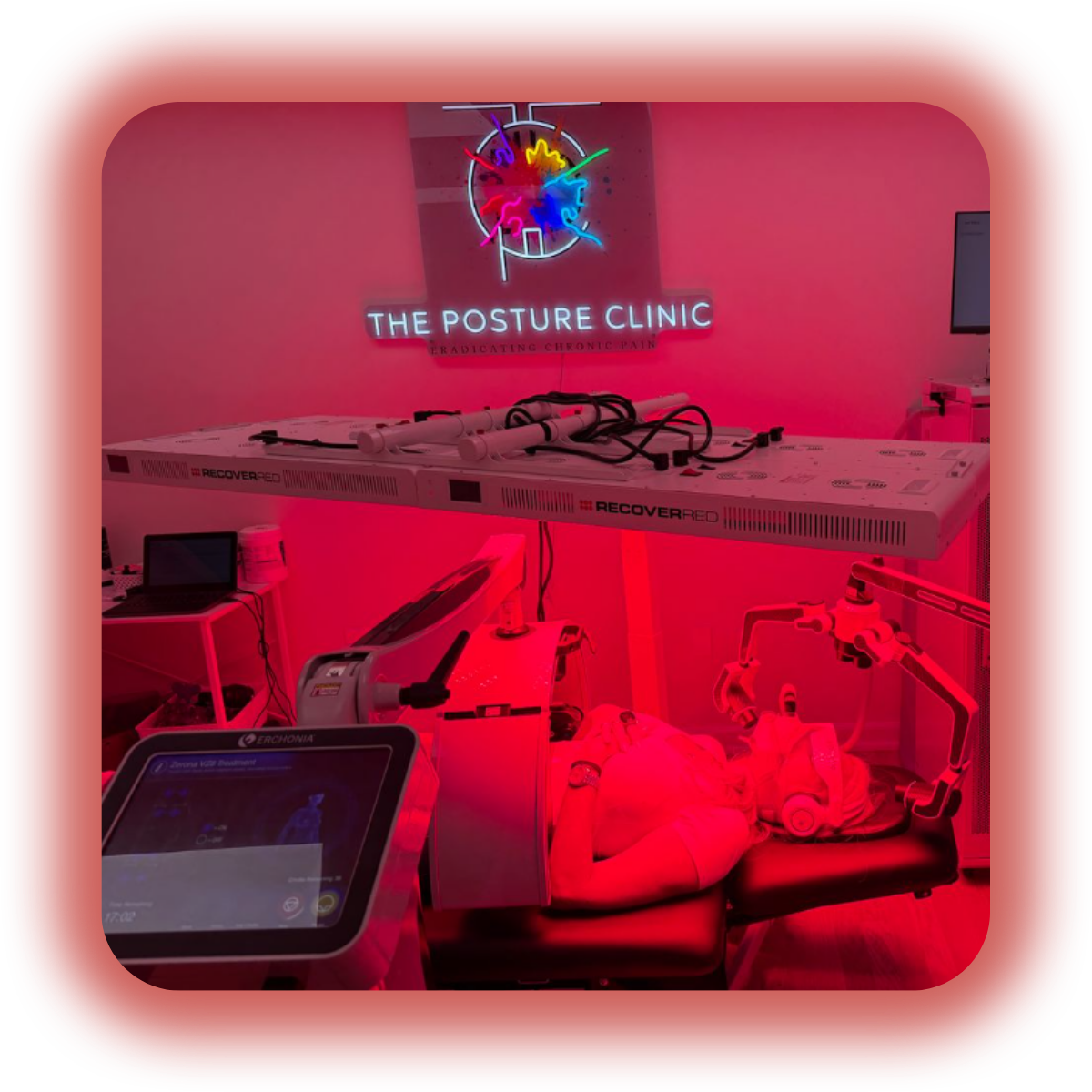
Acute pain is a warning signal · tissue is damaged, the nervous system fires, the brain takes notice, and the patient protects the area while it heals. That circuit is exactly what it should be.
Chronic pain is what happens when that circuit refuses to turn off. The tissue has healed (or the original injury is now so small that it should not be producing this much pain), but the brain has rewired itself to amplify the signal. The nervous system stays in a low-grade fight-or-flight state. The cortical pain matrix becomes hyperactive. The autonomic nervous system stops dampening pain signals the way it should. The structural and movement compensations the body adopted to avoid pain become drivers of pain themselves.
Treating chronic pain at "where it hurts" is treating the smoke. The fire is in the brain, the autonomic nervous system, and the structural cascade that the brain locked in. We treat the fire.
THE EVIDENCE BASE BY DOMAIN
Brain. Nervous system. Structure. Tissue. Each pillar, the modality we use, and the published evidence behind it.
PILLAR 01 · BRAIN
Calming the cortical pain matrix
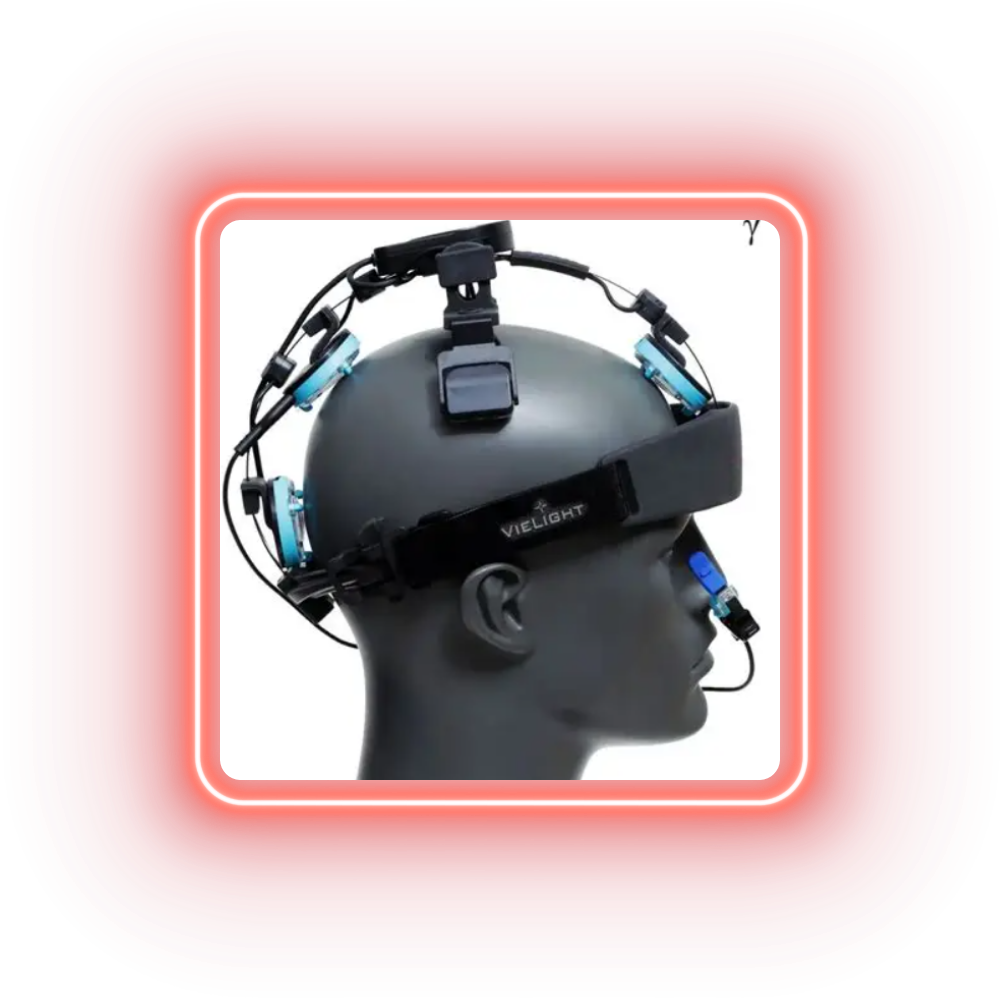
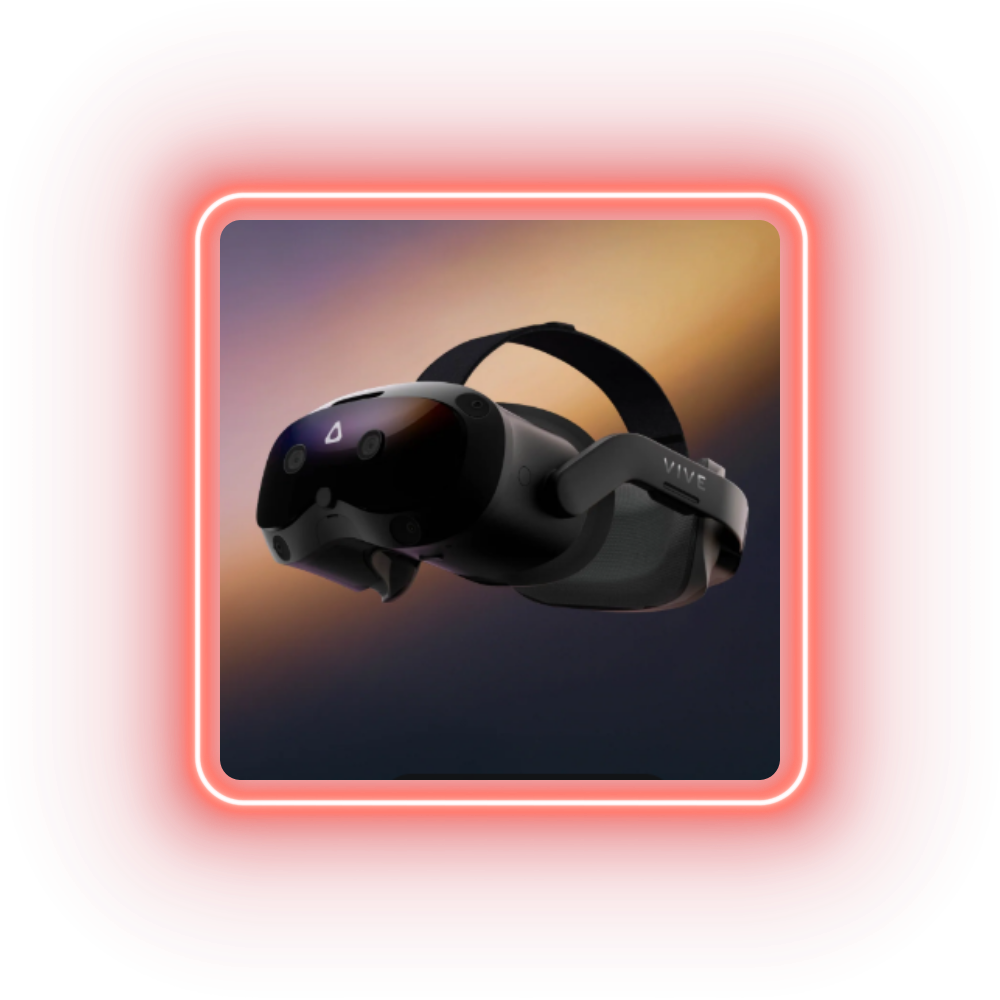
Modalities · transcranial photobiomodulation (NIR helmet), BrainTap, VR-based pain reprocessing. Evidence base · Hamblin (2016) established the mechanism by which near-infrared light reaches cortical tissue and drives mitochondrial change in cortical neurons. Goudman et al. (2022) summarized the VR chronic pain literature showing reductions in pain intensity and interference across multiple chronic pain populations. Why this pillar comes first · the literature consistently shows that brain-level amplification has to come down before structural and movement work produces durable change.
PILLAR 02 · NERVOUS SYSTEM
Restoring autonomic balance
Modalities · transcutaneous vagus nerve stimulation (Pulsetto, Hoolest, VieLight), breath-based autonomic retraining, biofeedback.
Evidence base · Abd-Elsayed et al. (2024) published a systematic review and meta-analysis of auricular vagus nerve stimulation showing significant chronic pain reduction across multiple trial populations.
Why this pillar matters · nearly every chronic pain patient presents with elevated sympathetic tone and reduced heart rate variability. Lowering sympathetic drive raises pain thresholds and improves sleep, both of which compound the benefit of every other modality.
PILLAR 03 · STRUCTURE AND MOVEMENT
Rebuilding mechanics that hurt to compensate
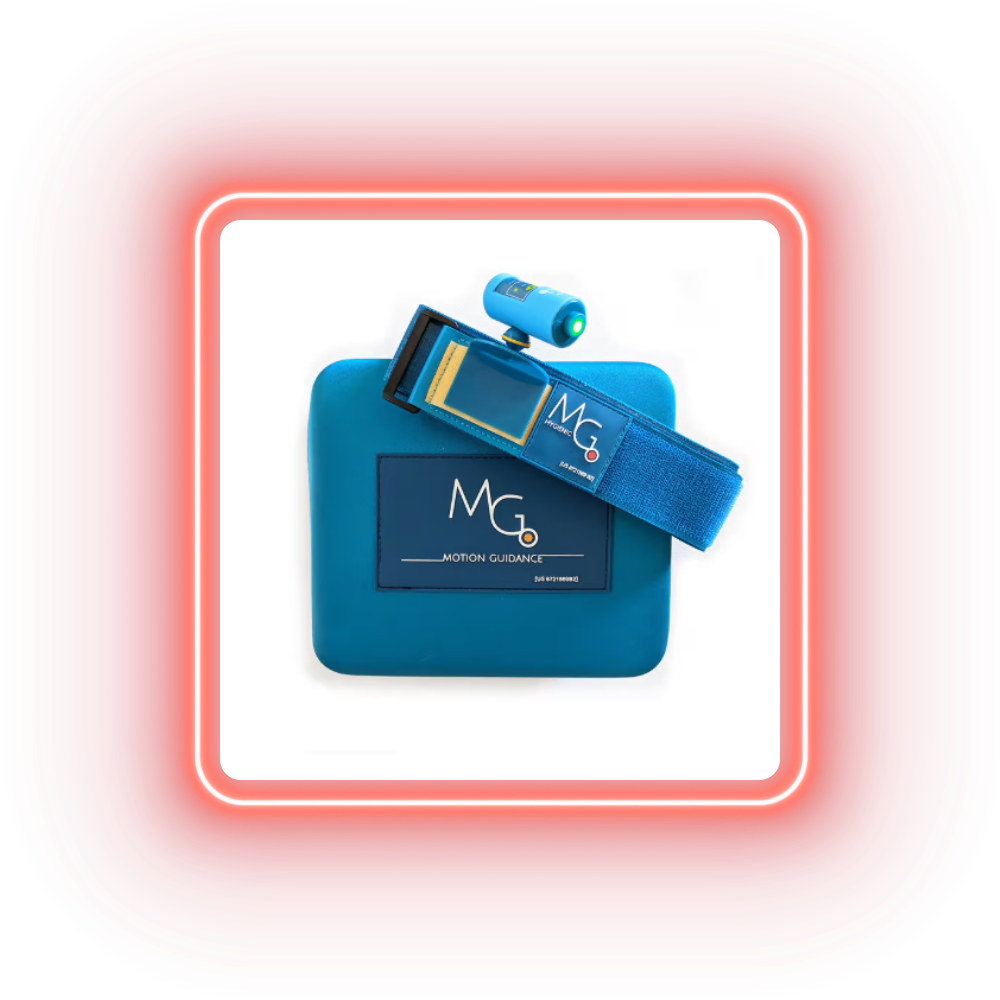
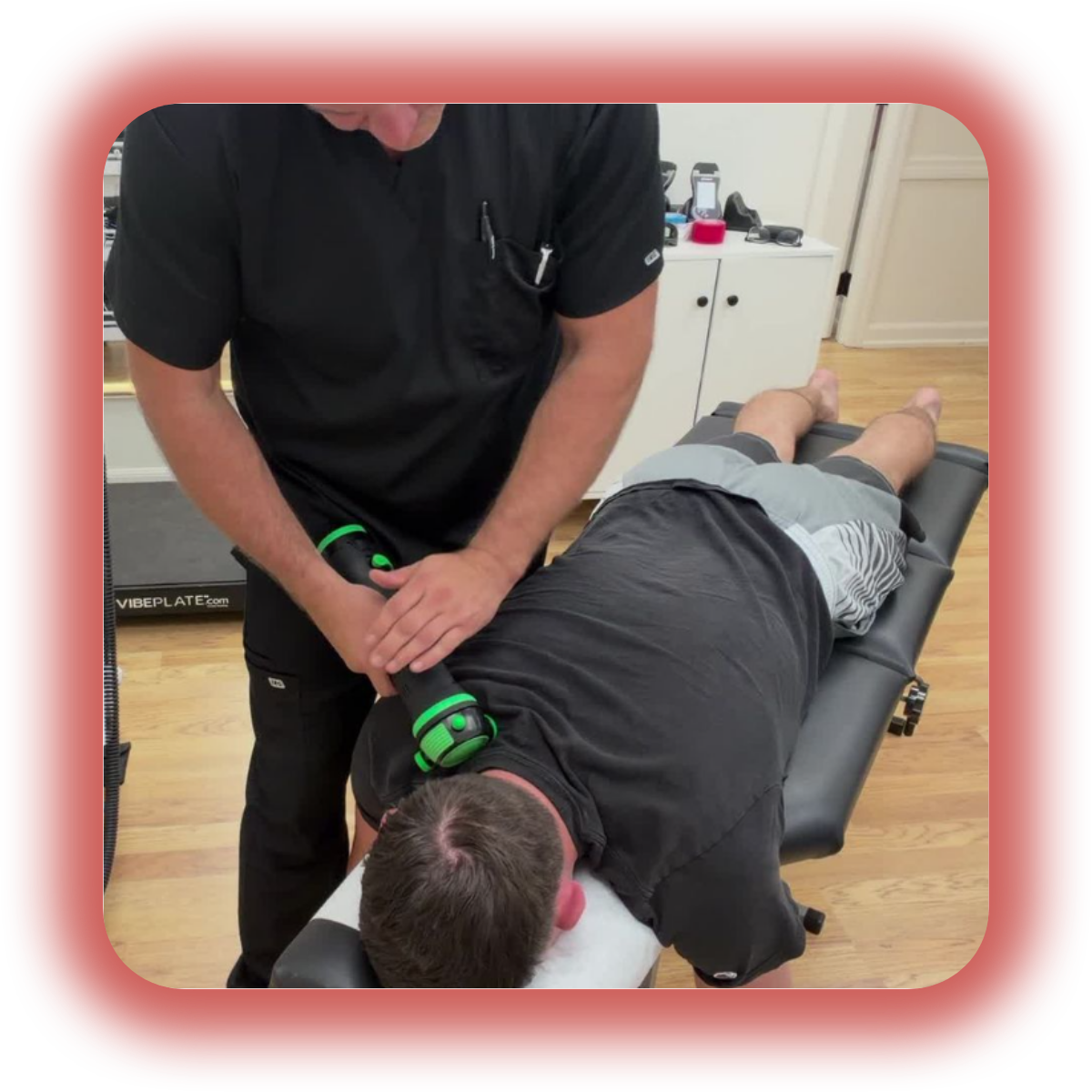
Modalities · Neubie neuromuscular re-education, motion guidance laser, 3D-guided posture correction, manual therapy.
Evidence base · Knutson et al. (2015) established the role of neuromuscular electrical stimulation in motor restoration. Cerasa et al. (2022) showed that visual-feedback motor rehab (the principle behind motion guidance) produces measurable improvements in motor control following lower-limb surgery.
Why this pillar takes Phase 2 · most chronic pain patients have spent years compensating around a primary driver. Phase 2 rebuilds the motor patterns the body abandoned. This work only sticks once the brain and nervous system have calmed enough to allow new motor learning.
PILLAR 04 · TISSUE
Restoring local tissue function
Modalities · Erchonia low-level laser therapy, Storz extracorporeal shockwave, Class IV deep-tissue laser, soft-tissue tools.
Evidence base · Sammons (2020) reviewed Erchonia 635 nm low-level laser therapy in chronic musculoskeletal pain populations. Liu et al. (2023) published a systematic review and meta-analysis of extracorporeal shockwave for chronic low back pain showing clinically meaningful improvements in pain and function.
Why this pillar is necessary but not sufficient · tissue work alone is what most clinics do. It produces partial relief in some patients and slides back in many. Combined with the first three pillars, it is the final piece that translates central change into local symptom resolution.
THE CITATION LIBRARY
Every modality named on the Technology page has at least one matching citation here.
The Posture Clinic program is the Pain Citations are listed in Author · Year · Journal · DOI format. The developer should render each as a linked text block so the visitor can click through to the published article. The DOI prefix is doi.org · the citations below are formatted to be plugged directly into hyperlink components.(one to three weeks) followed by the 12 Weeks to Better Posture program. There is one program total. It is not a per-visit fee. It is not a session pass. It is the full cost of the protocol from baseline through discharge.
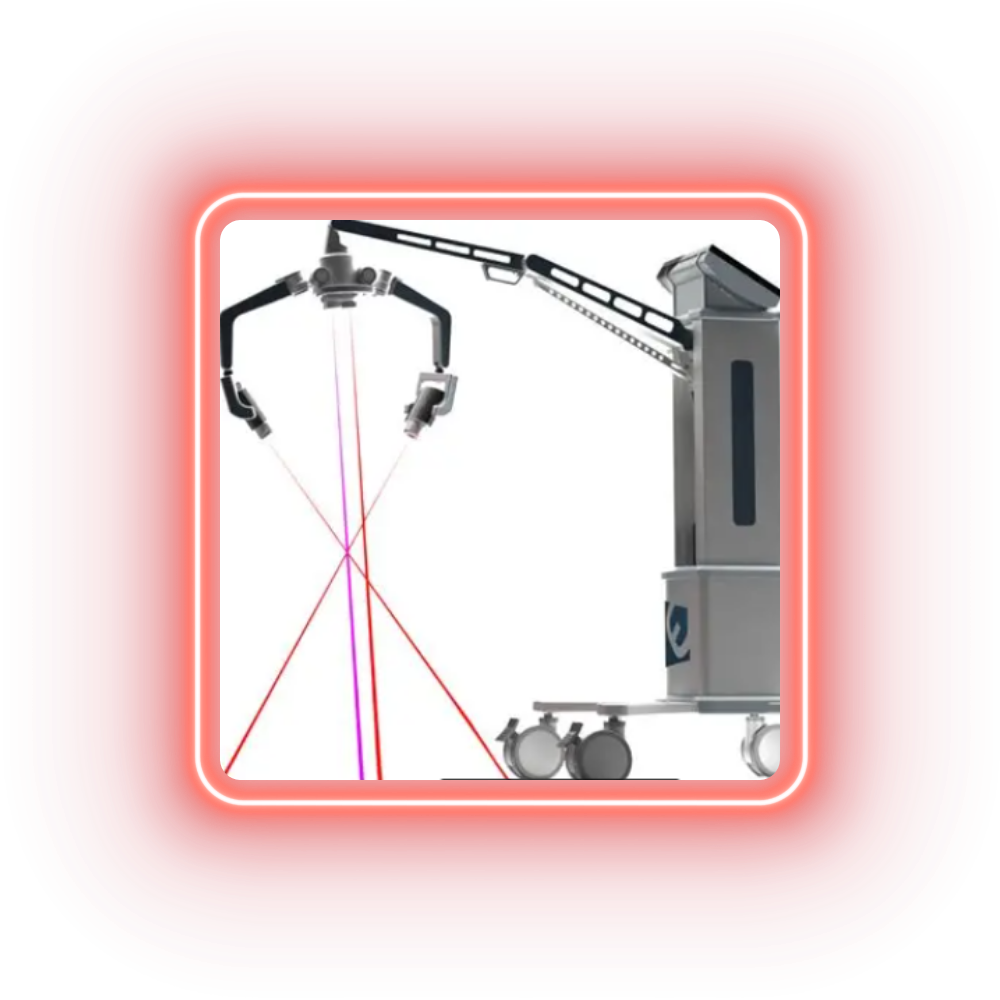
Low-Level Laser Therapy (Erchonia)
-
Sammons, J. (2020). The clinical efficacy of Erchonia 635 nm low-level laser therapy in chronic musculoskeletal pain. Orthopedics and Rheumatology Open Access Journal. doi:10.19080/oroaj.2020.17.555960
-
Kingsley, J. D., et al. (2014). Low-level laser therapy as a treatment for chronic pain. Frontiers in Physiology. doi:10.3389/fphys.2014.00306
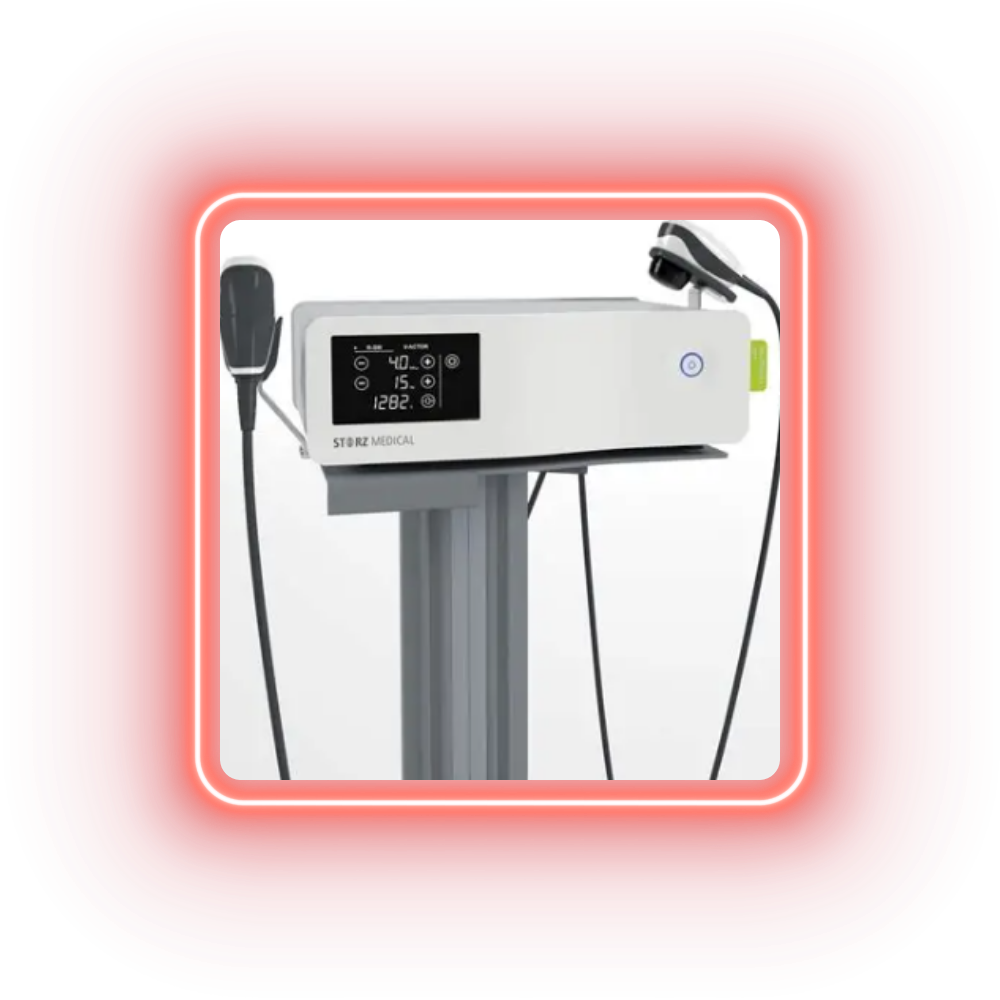
Extracorporeal Shockwave Therapy (Storz)
-
Liu, T., et al. (2023). Extracorporeal shockwave therapy for the treatment of chronic low back pain: a systematic review and meta-analysis. Journal of Orthopaedic Surgery and Research. doi:10.1186/s13018-023-03943-x
-
Qin, Y., et al. (2020). The efficacy and safety of extracorporeal shockwave therapy in knee osteoarthritis: a systematic review and meta-analysis of randomized controlled trials. Medicine. doi:10.1097/MD.0000000000019705
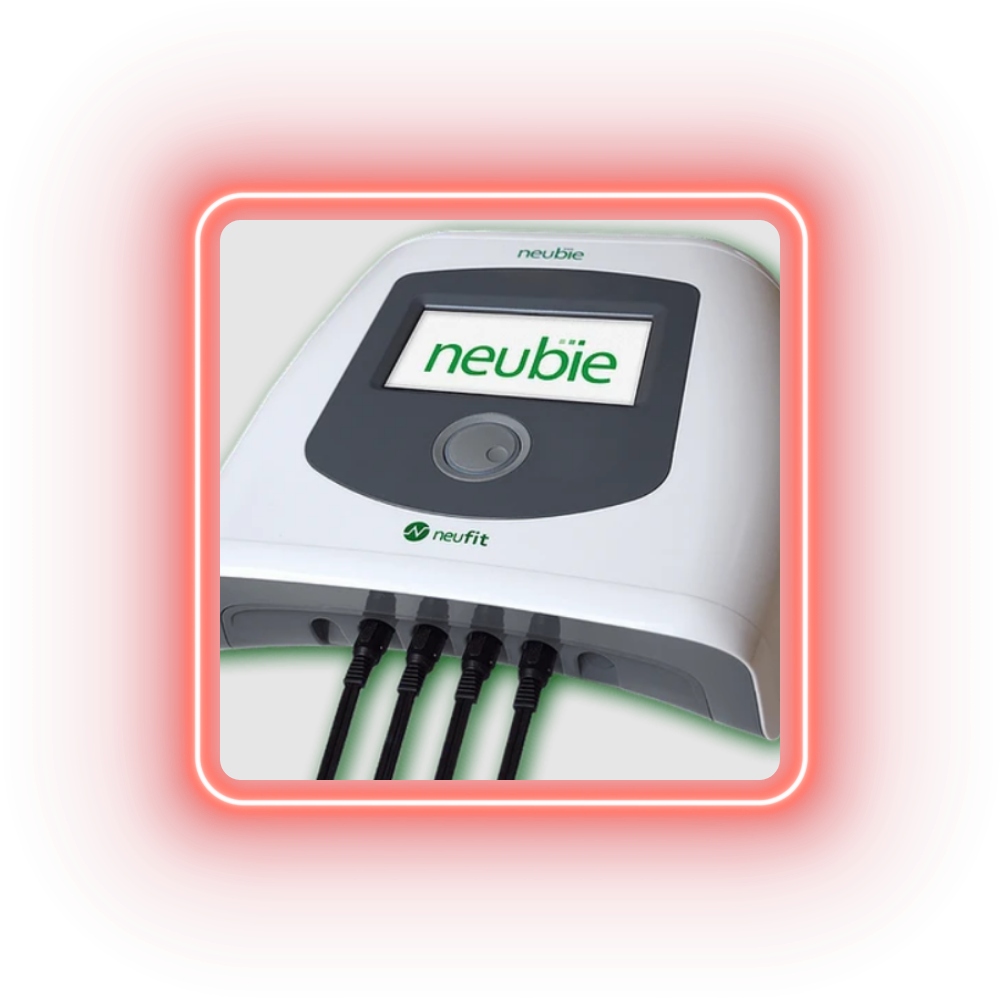
Neuromuscular Electrical Stimulation (Neubie)
-
Knutson, J. S., et al. (2015). Neuromuscular electrical stimulation for motor restoration in hemiplegia. Physical Medicine and Rehabilitation Clinics of North America. doi:10.1016/j.pmr.2015.06.002
Transcranial Photobiomodulation (NIR Helmet)
-
Hamblin, M. R. (2016). Shining light on the head: photobiomodulation for brain disorders. BBA Clinical. doi:10.1016/j.bbacli.2016.09.002
- Wang, X., et al. (2026). Transcranial photobiomodulation analgesia mechanisms and clinical applications. The Journal of Physiology. doi:10.1113/JP289109
Transcutaneous Vagus Nerve Stimulation (Pulsetto · Hoolest · VieLight)
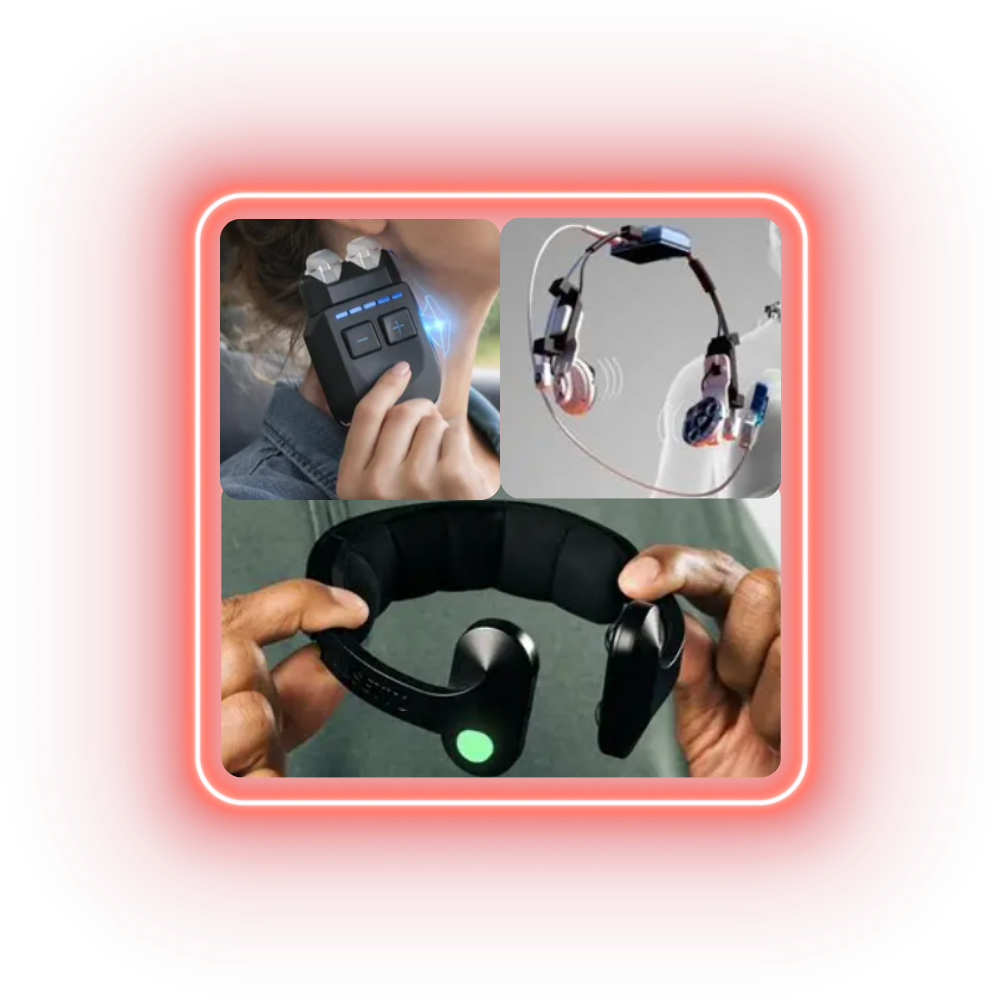
- Abd-Elsayed, A., et al. (2024). Auricular vagus nerve stimulation for chronic pain: a systematic review and meta-analysis. Pain and Therapy. doi:10.1007/s40122-024-00657-8
Motion Guidance Laser (Visual Feedback Motor Control)
-
Cerasa, A., et al. (2022). Visual feedback motor rehabilitation after total knee arthroplasty: a randomized controlled trial. Journal of Clinical Medicine. doi:10.3390/jcm11247355
- Hunt, M. A. (2013). Movement retraining using real-time feedback of performance. Journal of Visualized Experiments. doi:10.3791/50182
Virtual Reality for Chronic Pain (Vive Focus · XRHealth · Karuna · Flowly)
-
Goudman, L., et al. (2022). Virtual reality applications in chronic pain management: systematic review and meta-analysis. JMIR Serious Games. doi:10.2196/34402
- Darnall, B. D., et al. (2020). Self-administered skills-based virtual reality intervention for chronic pain: randomized controlled pilot study. JMIR Formative Research. doi:10.2196/17293
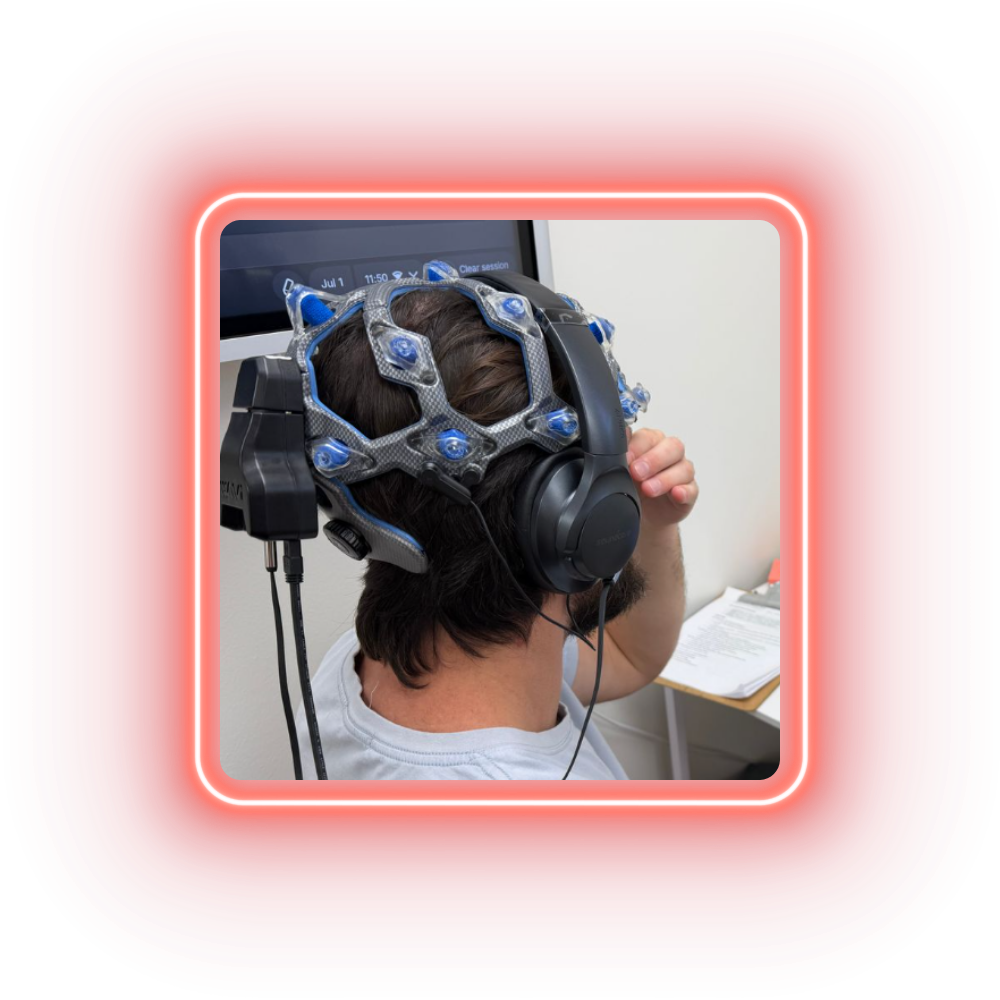
Brain and Autonomic Assessment (qEEG · WAVI · HRV)
-
Pinheiro, E. S., et al. (2016). Electroencephalographic patterns in chronic pain: a systematic review of the literature. PLOS ONE. doi:10.1371/journal.pone.0149085
- Tracy, L. M., et al. (2016). Meta-analytic evidence for decreased heart rate variability in chronic pain implicating parasympathetic nervous system dysregulation. Pain. doi:10.1097/j.pain.0000000000000360
HONEST LIMITATIONS
What we do not yet have published support for.
The Posture Clinic believes that telling a patient what the literature has not yet shown is as important as telling them what it has shown. The list below is the honest scope of what we are still building evidence for.
- The integrated multi-pillar program · most published evidence is for individual modalities studied alone. The literature on combined stacked protocols, deployed in the sequence we use, is still developing.
- The exact 0-100 IPS composite · the underlying domain measurements are well-validated. The specific composite formula and its threshold are our own clinical synthesis and are tracked internally for outcome publication.
- Long-term durability beyond two years post-discharge · we are tracking discharge cohorts ourselves and will publish durability data once the cohorts are large enough to support a meaningful analysis.
- Population subgroups · our experience is strongest in adults age 25 to 70 with complex multi-area chronic pain. We do not yet have published outcome data on adolescents, post-surgical acute populations, or active-cancer populations.
- The Soterix tDCS modality (not used in patient care) · in early experimental review only. Not part of the current program.
WHAT WE MEASURE INTERNALLY
Every patient. Every phase gate. Every discharge. Tracked.
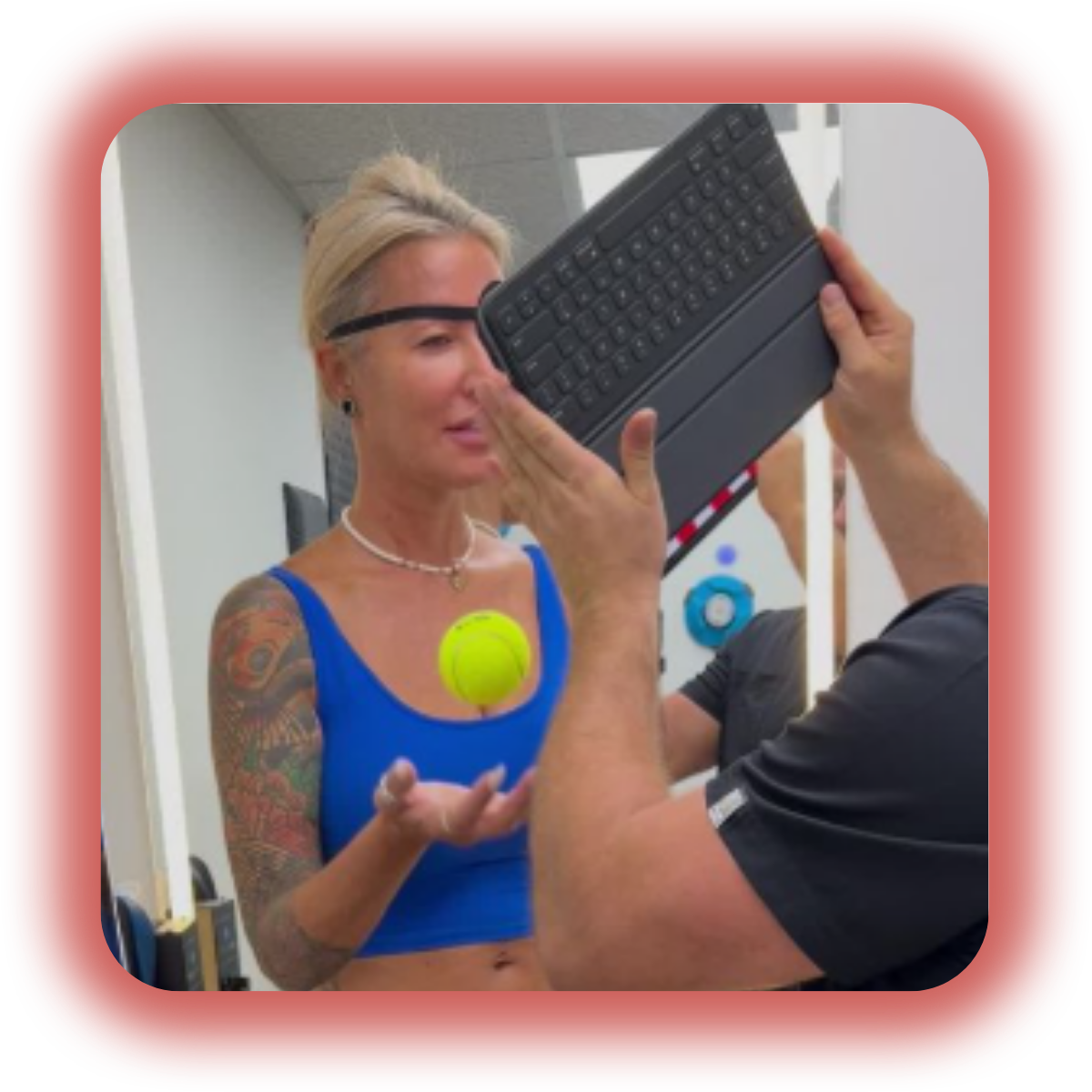
In addition to the published literature on each modality, we track our own outcomes prospectively on every patient. The data set is de-identified and stored under HIPAA-compliant protocols.
- Intake five-domain baseline (IPS · FHS · MPS · DMS · NCS)
- Phase Gate 1 re-test at week 4
- Phase Gate 2 re-test at week 8
- Discharge composite at week 12
- 30-day post-discharge FHS check-in
- 90-day post-discharge FHS and in-clinic re-assessment
Our intent is to publish aggregate de-identified discharge cohort outcomes once the data set is large enough to support a meaningful analysis. We will publish the methodology and the limitations alongside the results.
OUR ONGOING TRAINING AND PUBLICATION PATH
We do not run last decade's evidence. We invest in this decade's training.
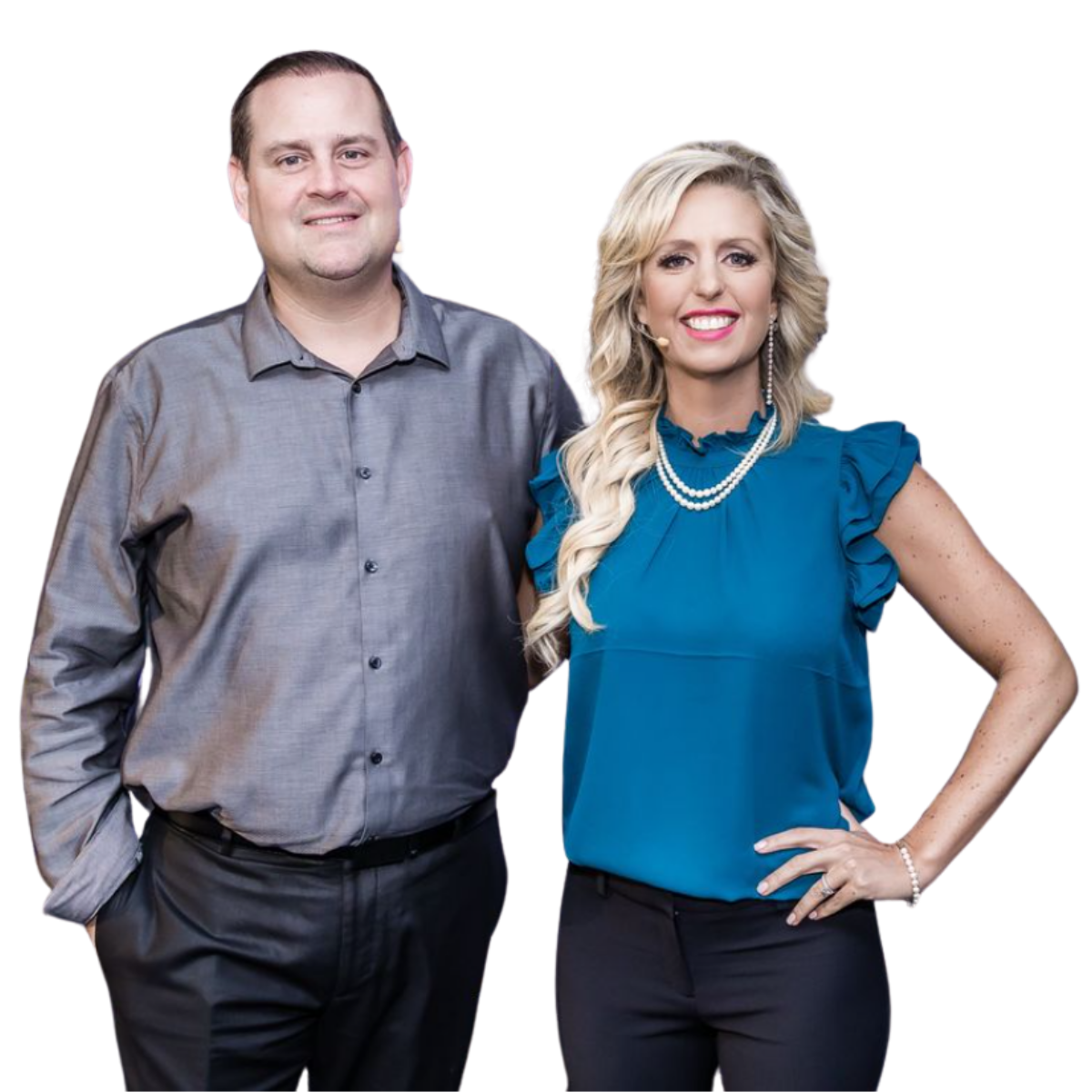
Both Dr. Mark T. Wade and Dr. Krista Burns hold senior teaching and credentialing roles in the American Posture Institute (API), which delivers continuing education in posture-driven chronic pain assessment and intervention. The API curriculum is delivered to clinicians in 20 countries.
That role gives us two things · constant exposure to what other clinicians are seeing in the field, and a structured commitment to keep our own clinical reading current. When the literature shifts, our protocols shift with it. Anything on this page that is contradicted by new published evidence will be revised on this page first.
NEXT STEP
Read the science. Now meet the team that runs it.
Every modality on this page is run by Dr. Mark T. Wade and Dr. Krista Burns. The Patient Interview is a 30-minute paid consultation where they review your history and walk you through how the literature applies to your specific case. The fee is split · $200 at application and $200 only if accepted as a patient. We make the decision on the call.

(727) 233-5268
Clinic@PostureClinic.com
6425 53rd St N Ste 6, Pinellas Park, FL 33781
We don't manage chronic pain. We eradicate it.
The Posture Clinic, a chiropractic practice.
© The Posture Clinic 2026. All rights reserved.